Learn Astronomy Online
Free lessons for stargazing beginners—Bortle dark skies, ISS tonight, Milky Way season, and planets tonight—with interactive tools for any location. From first-night checklists to tropical astrophotography.
Common questions
Do I need a telescope to stargaze?
No — start with naked-eye targets like the Moon, bright planets, and the ISS. Follow /learn/stargazing-first-night-checklist, then add binoculars or a small telescope when you are ready for deeper objects.
Is tonight good for stargazing?
Check cloud cover, dew, and dark hours first. Open /tools/tonight-score/ for a Go/Maybe/Skip readout, or read /learn/is-tonight-good-for-stargazing for the full checklist.
What is the Bortle scale?
The Bortle scale rates night-sky darkness from 1 (excellent) to 9 (inner city). Learn the classes and find darker sites near you in /learn/bortle-dark-skies-beginners and /tools/dark-sky-finder/.
Is the ISS visible tonight?
Yes when a bright dusk or dawn pass is above your horizon and the sky is clear. Use /tools/iss-passes/ or /learn/is-iss-visible-tonight to check timing, brightness, and max elevation.
How do I see the Milky Way?
You need a dark site, a dark Moon, Milky Way season, and clear weather. Start with /learn/how-to-see-milky-way, then check season timing in /tools/milky-way-season/.
What planets are visible tonight?
Visible planets change with rise, set, and altitude at your location. Check /tools/planet-visibility/ for tonight’s windows, or study the solar system overview at /learn/astro-105.
How do I start learning astronomy?
Begin with /learn/astro-101 for foundations, then try a first-night checklist and free tools on /learn. Short STEM lessons cover coordinates, seasons, planets, and observing skills.
Why is Guyana/Caribbean good for stargazing and STEM astronomy?
Near-equator skies show both hemispheres, a strong tropical Milky Way season, and long warm observing nights. Plan darker inland nights in /learn/obs-103-dark-skies-guyana, image the core with /learn/photo-106-milky-way-guyana, and time season with /learn/tropical-milky-way-season.
Is AstroPhotosGY useful for Caribbean classrooms?
Yes as free STEM astronomy lessons and interactive tools for middle and high school science — not an official exam syllabus. Start with the foundation track on /learn (astro-101 onward) and classroom-friendly topics like seasons, Moon phases, and planets.
Can students use these lessons for a science fair or school project?
Many lessons support science-fair style projects: light pollution and Bortle (/learn/obs-103-dark-skies-guyana), solargraphy pinhole cameras (/learn/photo-103-solargraphy), and tropical Milky Way season planning (/learn/tropical-milky-way-season). Pair a clear question with data from the free tools.
Do you offer Guyana STEM outreach or teacher resources?
AstroPhotosGY is built in Guyana with free online STEM astronomy lessons, tool guides, and classroom-ready foundations for Caribbean students and teachers worldwide. Browse /learn for self-paced paths — we do not claim CXC, CSEC, or Ministry accreditation.
Where should Guyana learners start for dark skies and Milky Way photos?
Use /learn/obs-103-dark-skies-guyana for coastal vs inland darkness, then /learn/photo-106-milky-way-guyana for the imaging workflow, with season context from /learn/tropical-milky-way-season.
Are the free astronomy tools only for Guyana?
No — weather, Tonight score, ISS passes, planet visibility, and Milky Way planners work for any lat/lon. Guyana and Caribbean lessons add local field context; magnets and tools stay worldwide.
What to do right now
Cloudy or indoors. great time for study and processing
Process a raw dataset from the ESO or Hubble Legacy Archive
Read one chapter of "Turn Left at Orion" or a beginner guide
Post an image online and request critique from the community
Work through beginner Astropy tutorials in Python
SEARCH LESSONS BELOW TO DIVE DEEPER INTO ANY OF THESE TOPICS ↓
Now: Waning Crescent. Pre-dawn zodiacal light opportunity
Difficulty
Category
Introduction to Astronomy
Fundamental concepts, scale of universe, and basic terminology

Introduction to Astrophotography
Camera fundamentals, equipment basics, and your first night-sky photograph
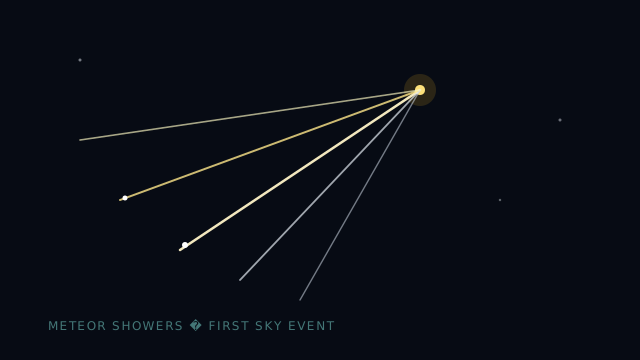
Meteor Showers: Your First Sky Event
The science and practice of observing and photographing meteor showers
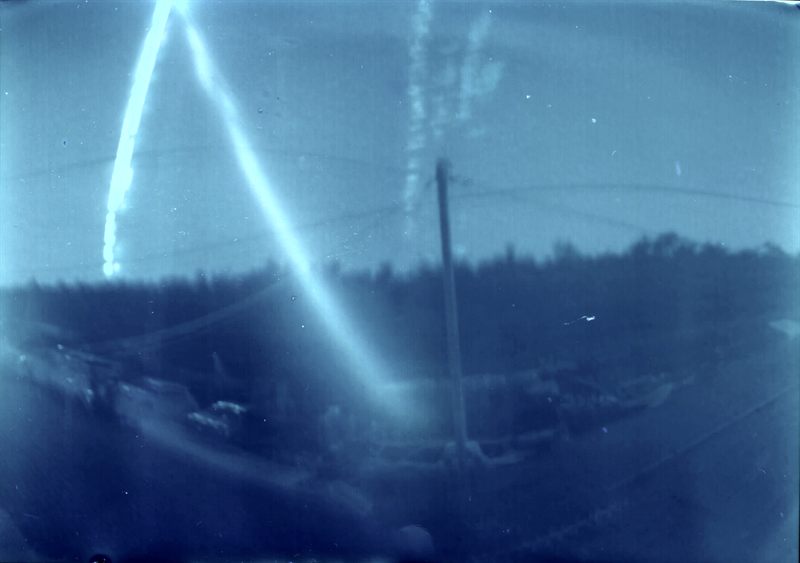
How to Use the Solar Pinhole Camera
Preview solargraphy box depth, pinhole size, and Sun-image coverage before you build
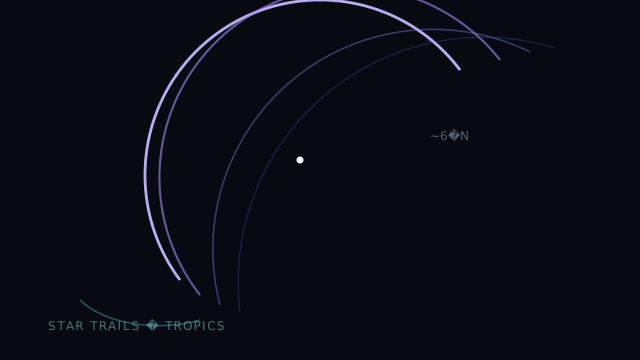
Celestial Coordinates and Navigation
Coordinate systems, star charts, and finding objects in the sky
Your First Astrophoto Session
From phone camera to guided DSLR: a practical Guyana-focused imaging guide
Time-of-Day Observing Guide
Productive astronomy tasks for every hour: day, dusk, night, and dawn
How to Use the Pinhole Optics Calculator
Compute f-number and optimal pinhole diameter for a chosen focal length
Earth's Motion and Seasons
Earth's rotation, revolution, and observable effects
How to Use Stargazing Weather
Read cloud and humidity forecasts to decide if a Guyana night is worth the drive

Dark Skies in Guyana
Understand coastal light pollution and how to find darker observing sites inland

The Moon and Lunar Phenomena
Lunar phases, eclipses, and tidal effects
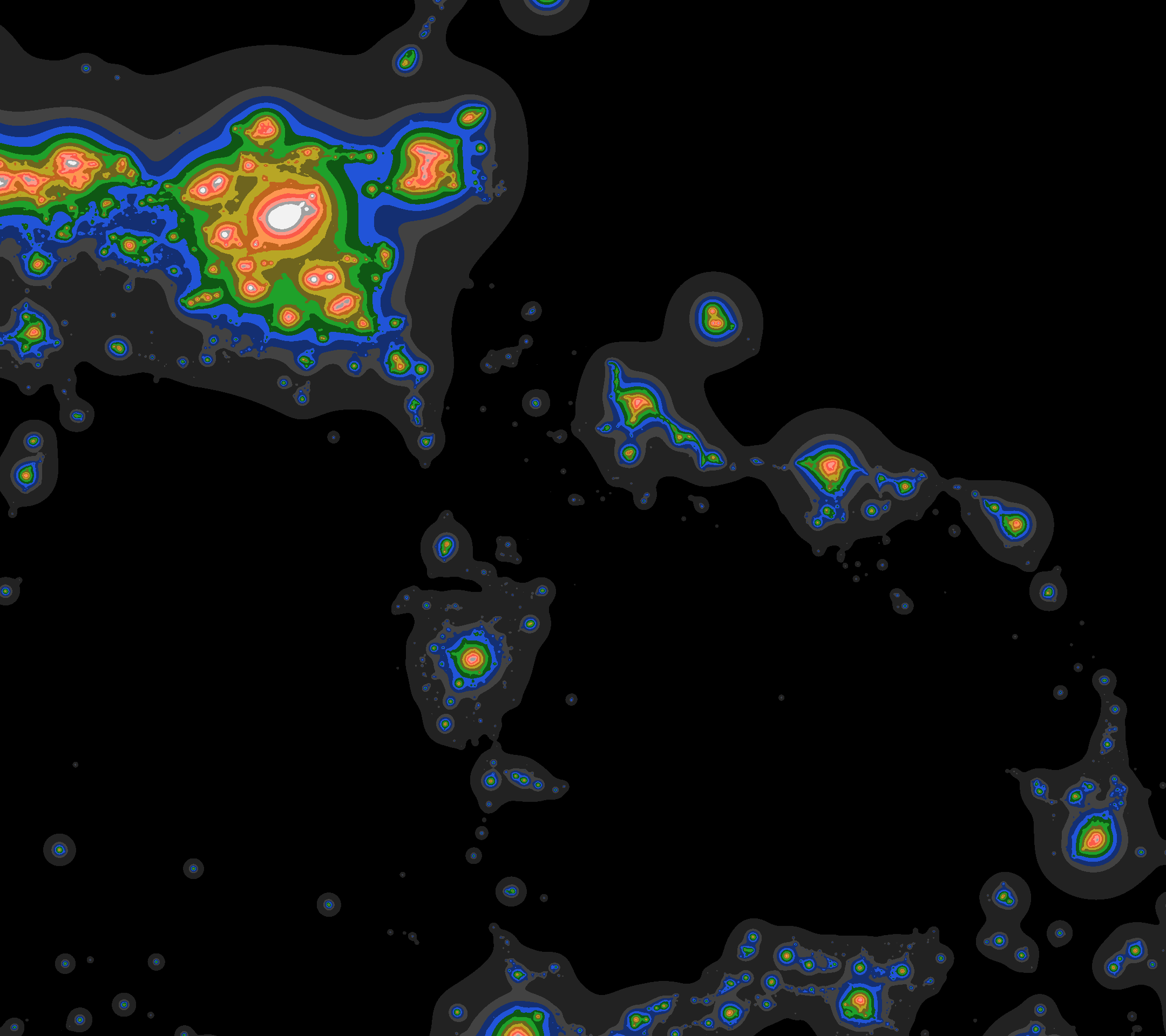
How to Use the Dark Sky Finder
Compare light pollution and shortlist darker observing sites near you
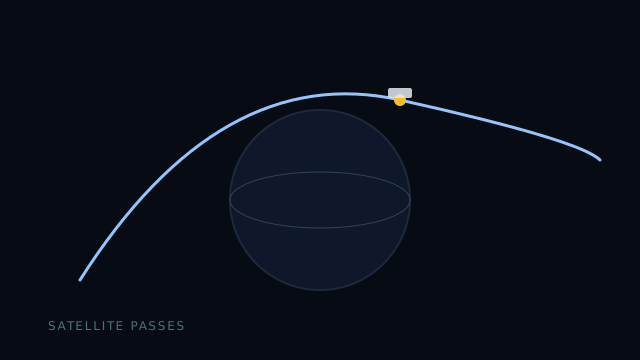
Satellite Passes and the ISS from Guyana
Learn when LEO satellites are sunlit and how to read ISS visibility from predictions

Solar System Overview
Planets, moons, and small bodies of our solar system
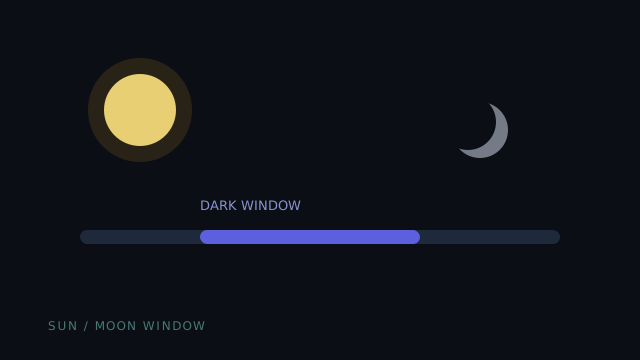
How to Use Sun/Moon Dark Window
Find nights when twilight is over and the Moon is dark enough for deep sky

Stars and Stellar Properties
Stellar classification, brightness, and basic properties
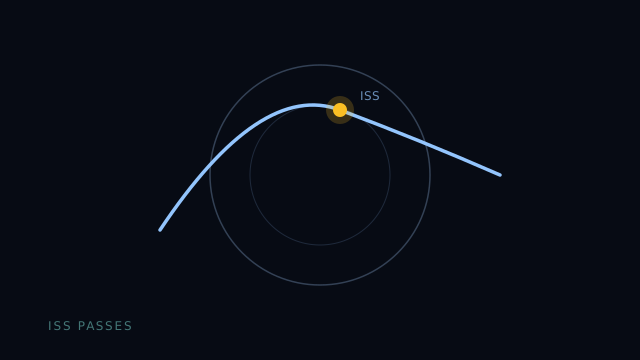
How to Use the ISS Pass Predictor
Predict ISS rise/set from GPS and filter spottable vs daylight, eclipsed, or near-Sun passes

Deep Sky Objects Introduction
Nebulae, star clusters, and galaxies for beginners
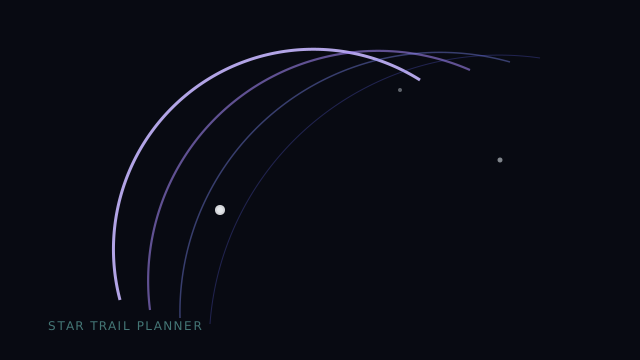
How to Use the Star Trail Planner
Plan trail length and framing for tropical latitudes around ~6°N
Observational Astronomy Fundamentals
Telescopes, observing techniques, and data recording
How to Use the Milky Way Season Planner
Find months and hours when the galactic core is well placed from Guyana
How to Use the Milky Way Field Guide
Turn season timing into targets, FOV, and shootable compositions
How to Use Planet Visibility Tonight
Read rise, set, altitude, and practical viewing windows for planets from your Guyana site

How to Use Tonight Observing Score
Set location, read Go/Maybe/Skip, then open full stargazing weather
Is Tonight Good for Stargazing?
Use a 0–100 Tonight score to decide Go, Maybe, or Skip before you drive
How to See the Milky Way
Naked-eye checklist for galactic core: dark site, moon, season, and weather
What Is the Bortle Scale? Find Dark Skies Near You
Understand Bortle 1–9 and shortlist darker observing sites on a free map
Stargazing for Beginners: First Night Checklist
Weather, dark window, darker site, and what to look for on your first night out
Best Time to Stargaze Tonight — After Dark, Before the Moon
Best hours tonight: after astronomical twilight, in the moonless gap, when the forecast is clearest
Can I See the Milky Way Tonight?
Season, Moon, weather, and Bortle checklist for naked-eye galactic core
Is the ISS Visible Tonight?
Spottable dusk/dawn passes, brightness, and when weather should cancel your wait
Tropical Milky Way Season 2026 Near the Equator
When the galactic core works near the equator in 2026, plus monsoon and dew timing
Dew and Monsoon Stargazing Playbook
Survive humid nights: dew on glass, monsoon timing, and when to pack lenses
Equatorial Star Trails (No Polaris)
How star trails look near the equator and how to plan them in the browser
How Tonight Score Is Weighted
Transparent breakdown of the 0–100 weather-first Tonight score bands
Best Free Stargazing Weather Tools (2026)
Honest comparison of free browser and app forecasts for astronomy nights
Clear Outside Alternative (Free Browser)
When to use AstroPhotosGY instead of Clear Outside, and where Clear Outside still wins
PhotoPills Free Alternative for Milky Way Season
Browser MW season planning without AR: where PhotoPills still wins
Free ISS Tracker Comparison
Spot the Station, Heavens-Above, and browser predictors compared honestly
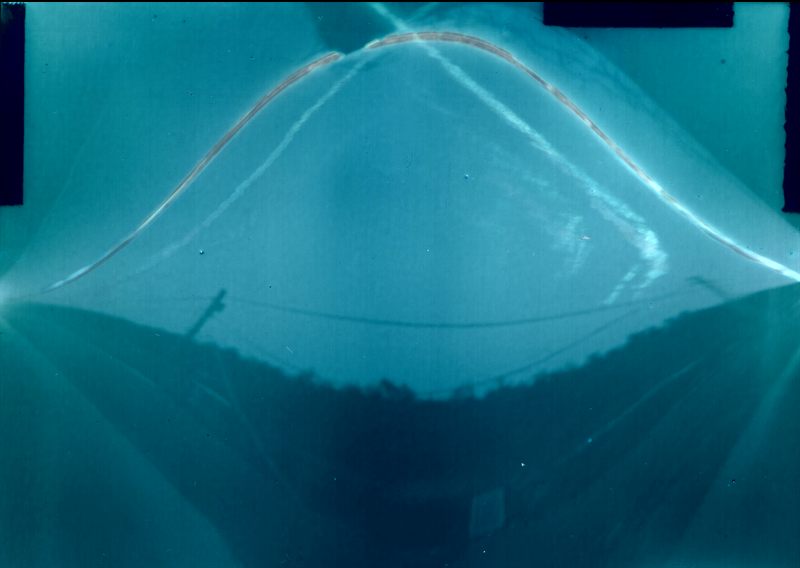
Solargraphy: Long-Exposure Sun Paths on Paper
Connect harmonic and sinusoidal motion to the Sun’s daily path, then build sealed pinhole cameras for multi-week trails in tropical humidity
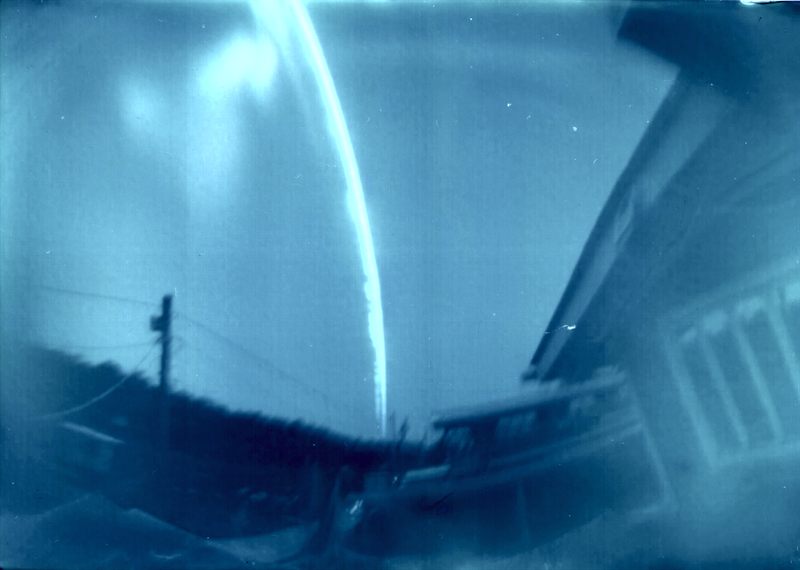
Pinhole Optics for Makers and Solargraphy
Relate focal length, hole diameter, f-number, and diffraction for pinholes
Star Trails in the Tropics
Plan and shoot star trails from ~6°N with north/south pole awareness

Milky Way Photography from Guyana
Season timing, dark sites, and field workflow for galactic core imaging near 6°N

Stellar Physics and Evolution
Nuclear physics, stellar structure, and lifecycle
Planetary Science
Detailed study of planetary formation, atmospheres, and geology
Galactic Astronomy
Structure and dynamics of the Milky Way galaxy
Extragalactic Astronomy
Galaxy types, clusters, and large-scale structure
Cosmology Fundamentals
Big Bang theory, cosmic expansion, and fundamental cosmological principles

Exoplanets and Astrobiology
Planet detection methods, characterization, and search for life
Astronomical Instrumentation
Advanced telescopes, detectors, and observing techniques
Astrophotography and Imaging
Advanced imaging techniques and post-processing
Advanced Stellar Astrophysics
Stellar atmospheres, pulsation, and exotic stellar phenomena
Computational Astrophysics
Numerical methods and simulations in astronomy
High-Energy Astrophysics
X-ray and gamma-ray astronomy, relativistic phenomena
Cosmological Data Analysis
CMB analysis, large-scale surveys, and parameter estimation
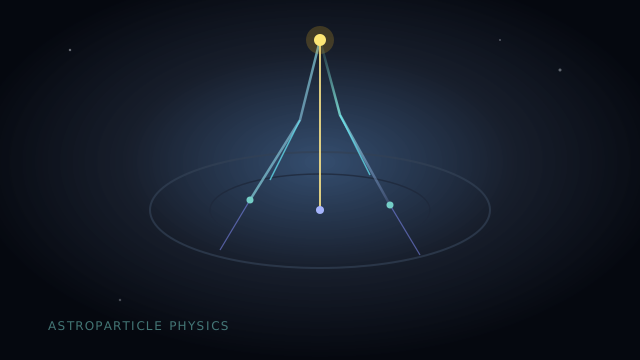
Astroparticle Physics
Cosmic rays, dark matter, and particle physics in astronomy
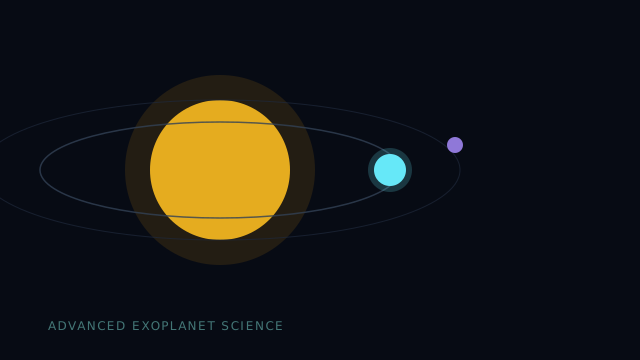
Advanced Exoplanet Science
Atmospheric modeling, biosignatures, and planet formation
Galaxy Formation and Evolution
Theoretical models and simulations of galaxy formation
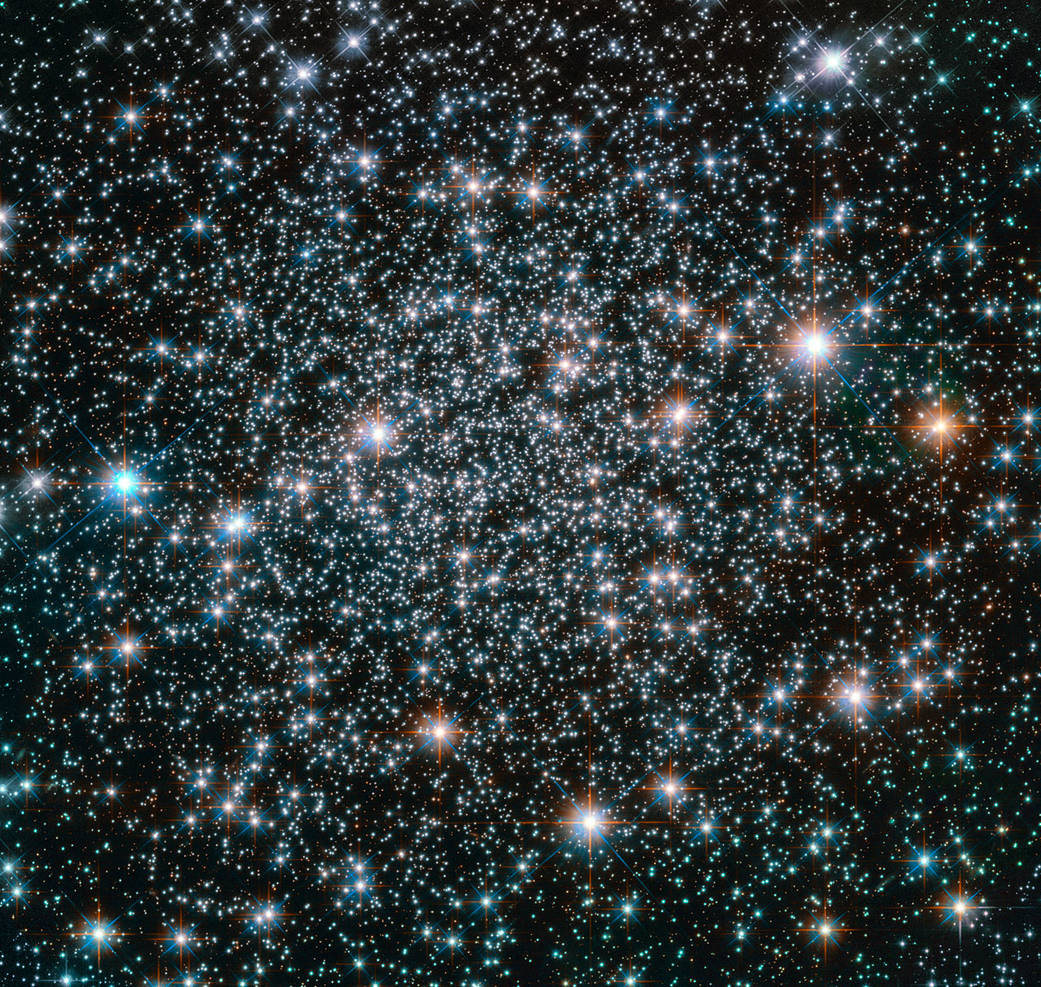
Research Methods and Thesis Project
Independent research project and thesis preparation